Pengi Editor's Note: This article was originally published by Think Academy. We're sharing it here for educational value. Think Academy is a leading K-12 math education provider.
Summer Planning for Rising 9th Graders: Academics, Interests, and Summer Programs
The summer before 9th grade is an important transition period. While it may not yet be college prep in the traditional sense, it serves as a foundation for the academic and personal growth that will take place during high school. This time can be an opportunity for students to ease into the demands of high school by strengthening essential skills and habits—without the pressure of a formal academic year.
3 Big Goals for Summer Planning Before 9th Grade
A well-designed summer plan usually serves at least one of these goals. Many successful plans serve two or three.
Goal 1 — Summer Planning for 9th Grade Academics (Especially Math)
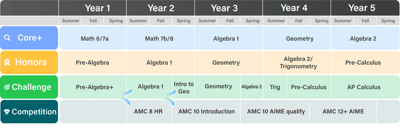
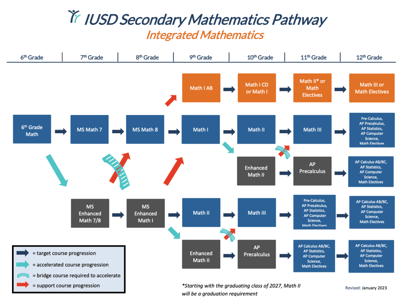
Academic readiness typically delivers the highest return at this stage. For many students, a strong foundation in math during the summer can set the stage for future success in high school. It is a good time to prepare for accelerated math tracks and the opportunity to take AP or advanced STEM courses in the future.
Common academic focuses during summer planning include:
- Strengthening foundational skills in algebra or geometry
- Previewing accelerated math content to prepare for higher-level coursework
- Closing any gaps before entering honors or advanced math classes
This approach is especially beneficial for students who plan to take advanced math and take more APs in high school. Early preparation can reduce stress and improve overall performance once the school year begins.
Goal 2 — Summer Planning to Explore and Externalize Interests
Interests matter—but colleges later look for evidence, not statements.
At the rising 9th grade stage, interest exploration should be:
- Low risk
- Skill-based
- Output-oriented
Examples of "externalized" interests:
- Writing short stories, essays, or poems
- Building a simple app or website
- Creating a small portfolio (art, design, photography)
The objective is not scale. It is completion and reflection. Small, finished work is usually more valuable than large, unfinished ideas.
Goal 3 — Summer Planning for Time Management and Independence
High school schedules are typically more demanding. Summer provides a controlled environment to practice:
- Managing daily routines
- Independent study or reading
- Consistent sleep and wake times
- Long-term task completion
These skills are rarely listed on applications, but they strongly affect academic performance and sustainability.
Recommended Summer Planning Pathways for Rising 9th Graders
There is no single "best" summer plan. Different students benefit from different pathways. Below are common options, with guidance on when each is most appropriate.
Pathway 1 — Summer Programs (Academic or Enrichment)
Summer programs vary widely. They may include:
- Academic preview courses
- Enrichment classes
- Interest-based workshops
Academic programs are typically more useful when:
- A student needs stronger foundations
- A student plans to enter higher-level courses in 9th grade
Program value depends less on the name and more on:
- Skills gained
- Output produced
- Whether learning can continue during the school year
Pathway 2 — Service and Volunteering
Service activities help develop responsibility, communication skills, and community awareness.
Common options include:
- Science museum volunteering
- Senior care centers
- Tutoring younger or under-resourced students
Pathway 3 — Independent Projects
Independent projects work best when they are realistic. A finished small project is usually more valuable than an ambitious project that never launches.
Examples:
- A simple app documented on GitHub
- A short writing submission
- A basic website for a local business or organization
Pathway 4 — Internship or Research-Style Experiences
For rising 9th graders, formal research positions are limited. Reasonable alternatives include:
- Camp counselor or assistant roles
- Makerspace or lab-style workshops
- Mentor-guided mini projects
It is generally not necessary—or advisable—to pursue "research" solely for the label.
Pathway 5 — Rest, Family Time, and Travel
Rest is not wasted time. It supports sustainability. Travel, reading, and family time often broaden perspective, reduce burnout, and improve readiness for the school year.
Most students benefit from a mix of structure and rest during summer planning.
Are Summer Academic Programs Worth It?
In most cases, the outcome matters more than the program name. It's not about attending a prestigious summer program, but rather about the value and skills the student gains from it.
A 5-Question Checklist for Evaluating Summer Programs
Before committing, consider:
- Does my child want to participate?
- What specific skill will improve (math, writing, coding, communication)?
- Is there a clear output (project, portfolio, performance)?
- Can the work continue during 9th grade?
- Is the cost reasonable relative to the outcome?
More Summer Planning Options for STEM-Focused Students
Students interested in STEM often have additional paths. Common options include:
- School robotics or Science Olympiad teams
- Introductory math competitions (e.g., AMC-style preparation)
- Advanced or accelerated math classes
Math, in particular, compounds over time. Early preparation often expands future academic choices.
Try Pengi AI — Smarter Math Practice for Students
Pengi AI supports K–12 learners with personalized math practice, guided explanations, and feedback designed to help them build confidence and improve steadily.