Pengi Editor's Note: This article was originally published by Think Academy. We're sharing it here for educational value. Think Academy is a leading K-12 math education provider.
Area of a Trapezoid: Definition, Formula And Example
Definition of a Trapezoid
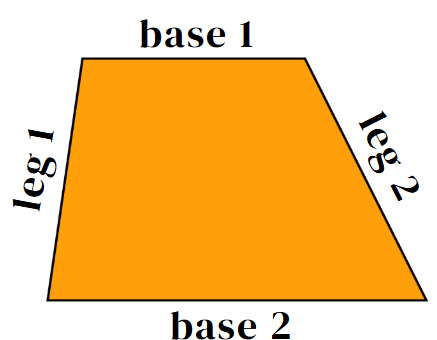
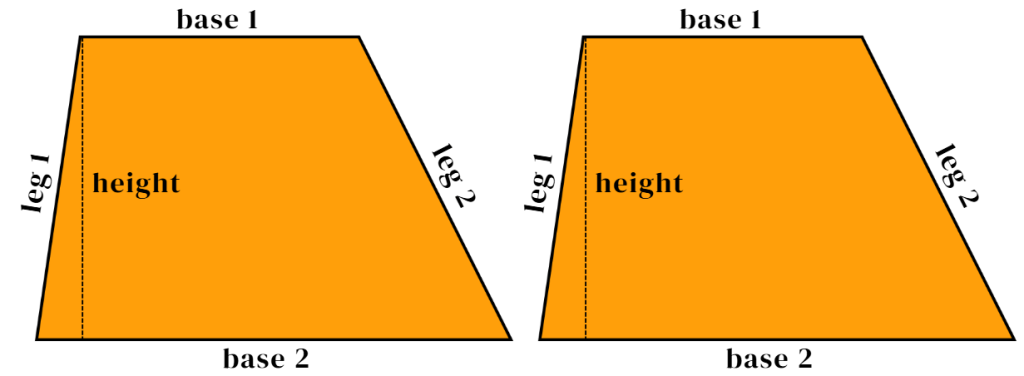
A trapezoid is a quadrilateral — a shape with four sides — that has at least one pair of parallel sides. These parallel sides are called the bases of the trapezoid. The other two sides, which are not parallel, are called the legs.
Diagram – Basic Trapezoid:
Types of Trapezoids:
There are two special types of trapezoids you might encounter:
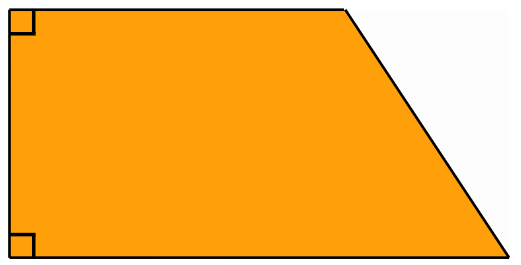
- Right trapezoid: has two right angles.
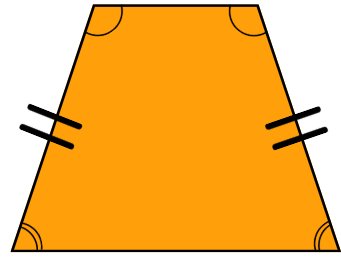
- Isosceles trapezoid: the non-parallel sides are equal in length, and the angles at each base are equal.
How to Calculate the Area of a Trapezoid: Step-by-Step
Trapezoid Area = Parallelogram Area ÷ 2
Wondering how to calculate the area of a trapezoid? Instead of memorizing a formula blindly, help your child understand why it works — it builds stronger math thinking.
1. Make a copy of the trapezoid
First, take your trapezoid and make an identical copy of it.
2. Rotate and combine the two trapezoids
Now, rotate the copy and place it next to the original trapezoid, flipping it upside down so that the two shapes fit together perfectly. What do you see?

You’ve just created a parallelogram!
3. Understand the parallelogram’s base and height
The base of this new parallelogram is
New base = base₁ + base₂
, since you combined both parallel sides of the original trapezoid. The height stays the same as the trapezoid’s original height.
Height = original height of the trapezoid
4. Use the parallelogram area formula
Area of parallelogram = (base₁ + base₂) × height
5. Find the trapezoid’s area
Since the parallelogram is made from two identical trapezoids, the area of one trapezoid is half of the parallelogram’s area:
Area of the trapezoid = ½ × area of the parallelogram = ½ × (base₁ + base₂) × height
And that’s the trapezoid area formula!
Area of trapezoid = ½ × (base₁ + base₂) × height
Understanding the formula this way helps you not only remember it but also trust why it works — and that makes geometry much easier and more fun!
Examples: Applying the Trapezoid Area Formula
Example 1
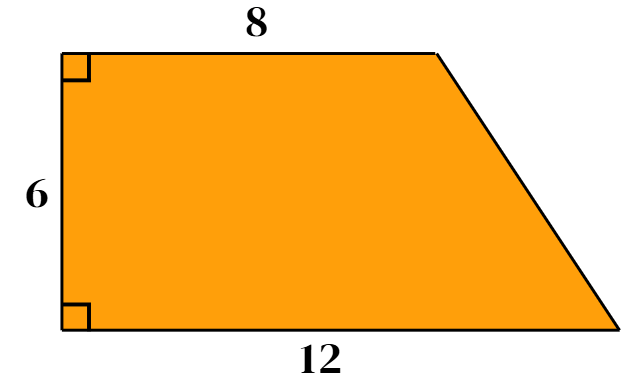
What is the area of a trapezoid with base₁ = 8, base₂ = 12, and height = 6?
Answer:
base₁ = 8, base₂ = 12, height = 6
The area of the trapezoid = ½ × (base₁ + base₂) × height = ½ × (8 + 12) × 6 = 60
The answer is 60.
Example 2
A trapezoid has an area of 108 square units, one base of 8 units, and a height of 12 units. What is the length of the other base?
Answer:
Use the formula Area of trapezoid = ½ × (base₁ + base₂) × height
108 = ½ × (8 + base₂) × 12
108 = 6 × (8 + base₂)
18 = 8 + base₂
base₂ = 10
The answer is 10.
Quick Guide to Area Formulas
Learning about trapezoids shows us that even “less regular” shapes have clear, logical, and easy-to-use formulas. Once you understand how the two bases and the height work together, finding the area of a trapezoid becomes simple — and even a little bit fun!
To help you see how trapezoids fit into the big picture of geometry, here’s a quick summary of the area formulas for some common shapes:
| Shape | Figure | Area Formula | Special Notes |
|---|---|---|---|
| Square | 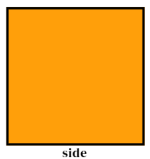 | Area = side² | All four sides are equal |
| Rectangle | 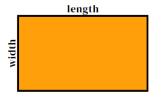 | Area = length × width | Opposite sides are equal |
| Triangle | 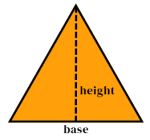 | Area = ½ × base × height | Three sides |
| Parallelogram | 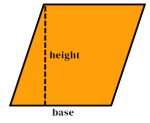 | Area = base × height | Opposite sides are parallel |
| Trapezoid | 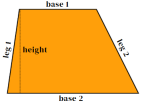 | Area = ½ × (base₁ + base₂) × height | One pair of parallel sides |
Download Math Worksheets for Practice!
We’ve created a full library of printable resources — from foundational math to logic-based challenges — organized by grade to support every stage of your child’s journey.
Additional Math Topics for Grade 6 – with Free Worksheets
Think Academy Math Program
If you’re looking to build on math strengths or close math gaps, we offer comprehensive K–12 math programs designed to:
- Catch up: Fill in gaps and strengthen foundational skills
- Stay ahead: Maintain a competitive edge and accelerate math progress
- Go further: Take on challenge math competitions, Math kangaroo, AMC competitions
Next Step: Take a personalized evaluation to understand your child’s current math progress and get a tailored roadmap for courses, pacing, and goals.
Try Pengi AI — Smarter Math Practice for Students
Pengi AI supports K–12 learners with personalized math practice, guided explanations, and feedback designed to help them build confidence and improve steadily.