Pengi Editor's Note: This article was originally published by Think Academy. We're sharing it here for educational value. Think Academy is a leading K-12 math education provider.
Bay Area Winter Camps: Your Ultimate Guide
Winter break is a valuable opportunity for Bay Area families to keep children learning, exploring, and engaged. From STEM and coding to arts and athletics, the Bay Area offers a wide range of winter camp programs for students of all ages and interests.
Why Winter Camps?
Winter break is typically 2–3 weeks long — enough time for meaningful skill development if structured well, but also enough time for students to lose ground on academic habits without any engagement.
Winter camps provide:
- Continued learning momentum through the break
- Exposure to interests outside the school curriculum
- Social interaction with peers outside school
- Supervised, structured programming for working parents
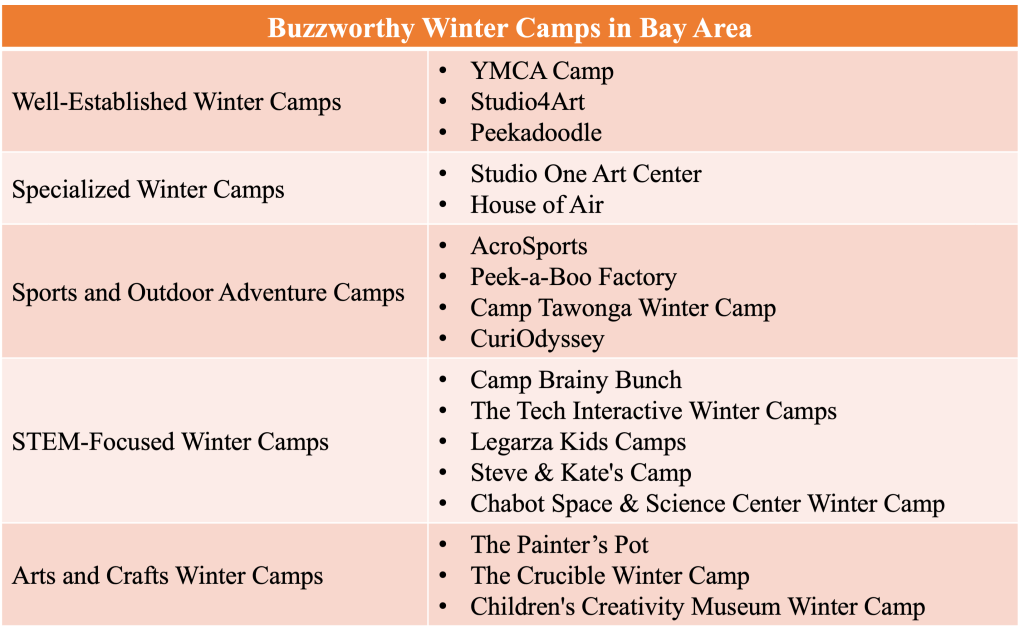
Types of Winter Camps in the Bay Area
Academic Enrichment Camps
Academic camps run intensive short-term programs in math, science, writing, and test prep.
Common offerings:
- Math enrichment programs (AMC prep, math competition training)
- Science and STEM labs
- Coding and programming camps
- Writing workshops
What to expect: Small groups, instruction from subject specialists, some homework or daily practice.
STEM and Coding Camps
STEM-focused winter programs are especially popular in the Bay Area given the region's tech culture.
Notable programs:
- iD Tech — STEM camps at Stanford, UC Berkeley, and other universities. Offers game design, coding, robotics, and more for ages 7–17.
- Digital Media Academy — University-based tech programs including game development, VR, and app creation.
- Code Ninjas — Local coding camp programs for ages 5–14.
- Girls Who Code — Free coding programs specifically for girls.
- FIRST Robotics — Robotics design and competition programs.
Arts and Creative Camps
Bay Area arts camps span visual arts, theater, music, film, and creative writing.
Notable programs:
- Young Actors' Theatre Camp — Theater and performance programs.
- California College of the Arts Summer Youth Program — Visual arts intensives.
- Berkeley Repertory Theatre — Theater workshops for youth.
Sports and Athletics Camps
Winter sports camps offer skill development in everything from basketball and soccer to swimming and martial arts.
College Prep and Academic Test Prep Camps
For older students (grades 8–12), winter break is a prime time for SAT/ACT prep or college application workshops.
Key Considerations When Choosing a Winter Camp
Age and Grade Appropriateness
Most camps specify age or grade ranges. Confirm that the curriculum matches your child's current level — neither too easy (boring) nor too hard (frustrating).
Camp Duration and Schedule
Winter camps range from one week to the full winter break. Shorter intensive programs often provide more focused learning. Check start/end times carefully for your childcare needs.
In-Person vs. Online
Most Bay Area camps are in-person, but many academic programs (particularly math enrichment) offer online options. Online programs provide more scheduling flexibility but require self-discipline.
Cost and Financial Aid
Winter camp costs vary widely:
- Short online enrichment programs: $100–$400
- 1-week in-person STEM camps: $400–$800
- Multi-week intensive programs: $1,000–$3,000
Many programs offer need-based financial aid or early enrollment discounts.
Camp Culture and Values
Look for programs that:
- Have clear learning objectives
- Maintain small instructor-to-student ratios
- Provide progress feedback to parents
- Create a positive, inclusive environment
By Age Group: Quick Recommendations
Elementary (K–5)
Focus on engaging, hands-on experiences:
- Robotics introductions
- STEM explorations (science experiments, maker activities)
- Creative arts camps
- Beginning math enrichment
Middle School (6–8)
Begin purposeful skill building:
- Math competition prep (AMC 8 prep, Math Kangaroo)
- Coding and game design
- Science research programs
- Writing workshops
High School (9–12)
Prioritize academic outcomes and college prep:
- SAT/ACT prep
- Subject-specific enrichment (AP prep, math olympiad)
- College application essay workshops
- University-level academic programs
Planning Ahead
The best Bay Area winter camps fill up quickly. Start searching in October–November for December programs. Check universities (Stanford, UC Berkeley, Santa Clara University) for programs held on their campuses, and look at local enrichment centers for more affordable options.
Try Pengi AI — Smarter Math Practice for Students
Pengi AI supports K–12 learners with personalized math practice, guided explanations, and feedback designed to help them build confidence and improve steadily.